Share
Economical Tips for Increasing Milk Production in Dairy Cattle
Share
Introduction
Increasing milk production in dairy cattle is essential for maximizing profitability and ensuring the economic sustainability of dairy farming operations. Implementing cost-effective strategies can help improve milk yield without requiring significant financial investments. Here are ten economical tips tailored for Indian dairy farmers to boost milk production in your cattle:
Here are ten effective and economical tips to help you improve milk production in your dairy cattle:
Provide a Balanced Diet with Locally Sourced Feed
A balanced diet is essential for high milk production, but it doesn't have to be expensive. Utilize locally sourced forages and feed ingredients to reduce costs. Forages like alfalfa, silage, and high-quality hay provide essential fiber and nutrients, while locally available grains and agricultural by-products can be used as concentrates.
Work with a nutritionist: Formulate a diet using cost-effective, locally sourced ingredients that meet the nutritional needs of your herd. Utilize crop residues: Incorporate crop residues such as straw, stover, and husks into the diet to provide additional fiber and nutrients at a lower cost.
Ensure Adequate Water Supply
Water is a critical component of milk production, as milk is composed of about 87% water. Ensure your cows have access to clean, fresh water at all times to support their hydration and milk production needs.
Provide sufficient water: Cows can drink up to 70-80 liters of water per day, especially during peak lactation periods. Install water bowls or automatic waterers to ensure a constant supply of fresh water.
Maintain clean water sources: Regularly clean and refill water troughs to ensure water quality, which is essential for maximizing feed intake and milk yield.
Optimize Feeding Schedule with Simple Adjustments
Consistency in feeding times helps maintain the metabolic rhythm and digestive health of your cattle. Feeding should be done at the same time each day, and the total daily feed should be split into multiple small meals rather than one or two large ones.
Implement regular feeding times: Schedule feeding times consistently to promote steady nutrient intake and digestion.
Use feed bunk management: Push up feed regularly to encourage cows to eat more frequently and prevent wastage.
Monitor and Manage Health Regularly
Regular veterinary check-ups are essential for early detection and treatment of health issues. Implementing a basic health management program, including vaccinations and parasite control, can prevent common diseases that impact milk production.
Focus on mastitis prevention: Regular milking hygiene practices, such as pre- and post-milking teat disinfection, can reduce the incidence of mastitis without incurring high costs.
Monitor somatic cell counts (SCC): Early detection of infections through SCC monitoring can prevent severe health issues and reduce treatment costs.
Enhance Comfort and Reduce Stress with Simple Measures
A comfortable and stress-free environment is vital for maximizing milk production. Simple measures can significantly improve cow comfort without major investments.
Provide a clean resting area: Ensure cows have access to clean, dry bedding and ample space to lie down, which encourages longer resting periods and increases milk production.
Minimize noise and sudden movements: Reducing noise and sudden movements in the barn can help minimize stress, improving overall cow health and productivity.
Utilize Affordable Milking Technology
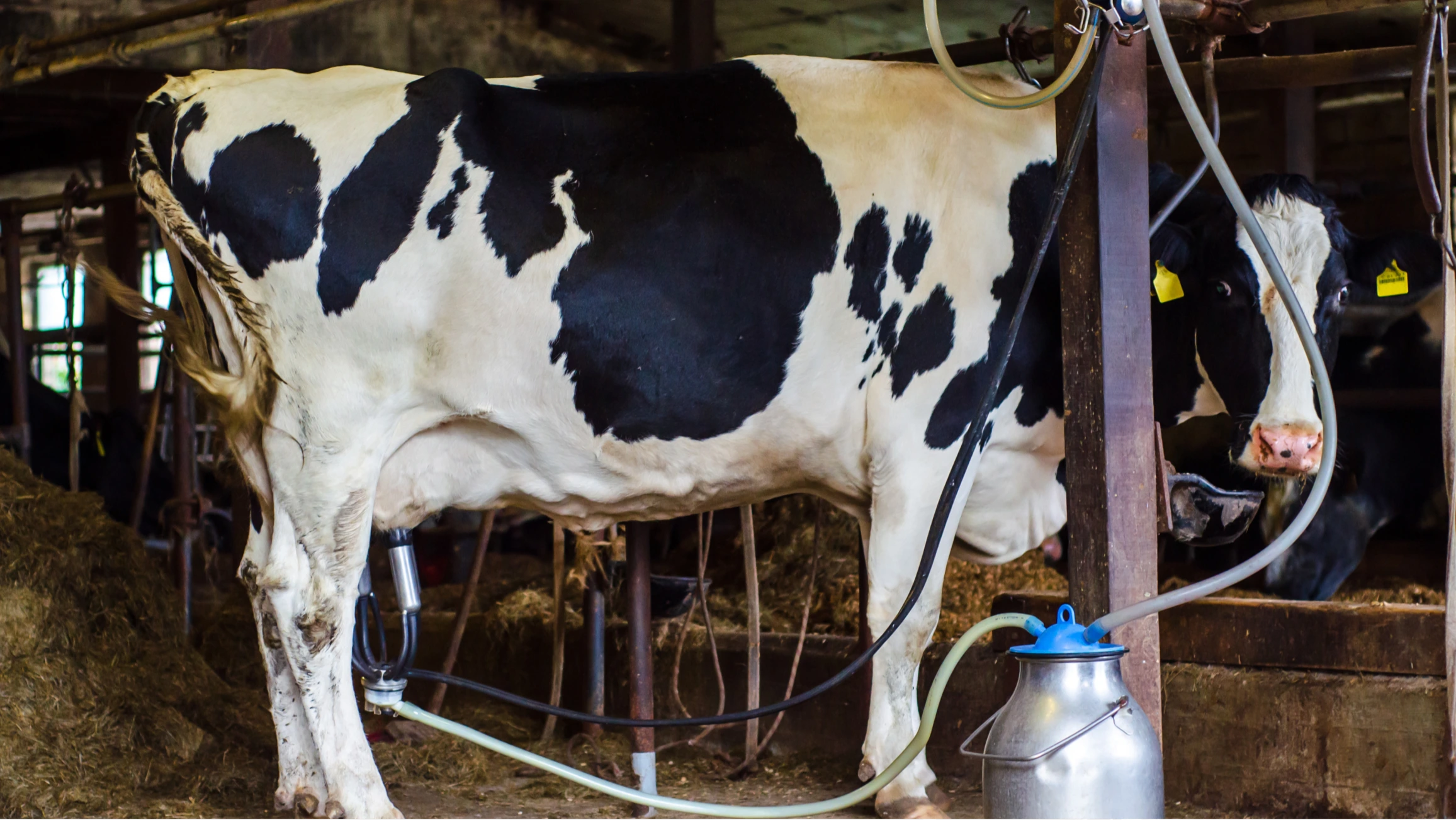
Advanced milking technology can improve efficiency and hygiene during the milking process without requiring expensive investments. Basic milking equipment and proper maintenance can prevent infections and ensure optimal milk yield.
Regular equipment maintenance: Ensure that milking equipment is regularly cleaned and maintained to prevent mastitis and ensure efficient milk extraction.
Consider milking frequency: Increasing milking frequency to three times a day can boost milk production by up to 15%, which may be feasible with existing resources.
Implement a Low-Cost Heat Stress Management Plan
Heat stress can significantly reduce feed intake and milk production. Simple and affordable measures can help keep cows cool and comfortable during hot weather.
Provide shade and ventilation: Use natural or constructed shade and ensure proper barn ventilation to keep cows cool.
Install basic cooling systems: Use fans or sprinklers to help maintain a comfortable temperature in the barn.
Genetic Selection and Breeding
Selecting and breeding cows with high genetic potential for milk production is a long-term strategy that can be implemented economically. Utilizing artificial insemination (AI) with proven sires can improve herd genetics over time.
Focus on genetic improvement: Use AI to incorporate superior genetics into your herd without the need for expensive breeding stock.
Collaborate with breeding organizations: Take advantage of programs and subsidies offered by breeding organizations to reduce costs.
Proper Calf Management on a Budget
Healthy calves grow into productive cows. Proper nutrition and care for calves can be achieved economically and will contribute to their future milk production capacity.
Ensure proper housing: Provide clean, dry, and well-ventilated housing to prevent diseases without significant expense.
Utilize colostrum and basic feed: Ensure calves receive colostrum within the first few hours of life and provide a cost-effective calf starter feed.
Track and Analyze Performance Data Using Affordable Technology
Using affordable technology to track and analyze data related to milk yield, feed intake, health status, and reproductive performance can help identify areas for improvement. Tools like Ayushman Cowfit provide real-time insights into your cattle’s health and activity levels at a reasonable cost.
Monitor key performance indicators (KPIs): Use affordable technology to track KPIs, such as daily milk yield, feed conversion ratio (FCR), and somatic cell count (SCC).
Implement data-driven management practices: Utilize the insights from Ayushman Cowfit to make informed decisions that optimize feeding, breeding, and health management strategies.
How Ayushman Cowfit Helps
Ayushman Cowfit is an innovative tool designed to assist dairy farmers in effectively managing their herds. Here’s how it helps improve milk production economically:
Real-Time Health Monitoring: Ayushman Cowfit provides real-time alerts on your cows' health, allowing you to address issues promptly before they impact milk production.
Heat Detection: Accurate heat detection ensures timely artificial insemination, increasing conception rates and reducing the interval between calving, which enhances overall milk production.
Activity Tracking: By monitoring cow activity levels, Ayushman Cowfit helps you understand their behavior and adjust management practices to reduce stress and improve comfort.
Data Analysis: The tool provides insights into feed intake, milk yield, and overall herd performance, enabling data-driven decisions that optimize resources and maximize production.
User-Friendly Mobile App: The app is available in multiple regional languages, making it accessible and easy to use for farmers across different regions.
By integrating Ayushman Cowfit into your dairy farm management, you can enhance productivity, improve animal welfare, and increase profitability through efficient and economical practices.
Conclusion
By implementing these economical tips, Indian dairy farmers can improve the health, efficiency, and productivity of their herds, leading to increased milk production and better overall farm profitability. Cost-effective strategies and affordable technologies like Ayushman Cowfit ensure that even small-scale farmers can enhance their dairy operations without significant financial investments.
Regularly updating and refining these practices based on the latest research and affordable technology will keep your farm competitive and profitable in the long term. Embracing practical, low-cost practices and maintaining a proactive approach to dairy management can significantly improve your farm's performance and sustainability. By focusing on cost-effective strategies, Indian dairy farmers can create a structured and efficient management system that supports high milk production and long-term success.
