Share
Understanding the Behavioral Indicators of Cattle Health
Share
Introduction
Cattle well-being is a cornerstone of successful dairy farming, impacting everything from dairy production to the overall quality of life of the cattle. Monitoring and maintaining your herd's condition often starts with observing and understanding their behavior. By paying close attention to changes in your cattle's behavior, you can identify potential issues early and take prompt action to ensure your cattle's well-being.
Let's explore various behavioral indicators of cattle health and proven tips for managing cattle feed to support overall wellness.
Behavioral Indicators of Cattle Health
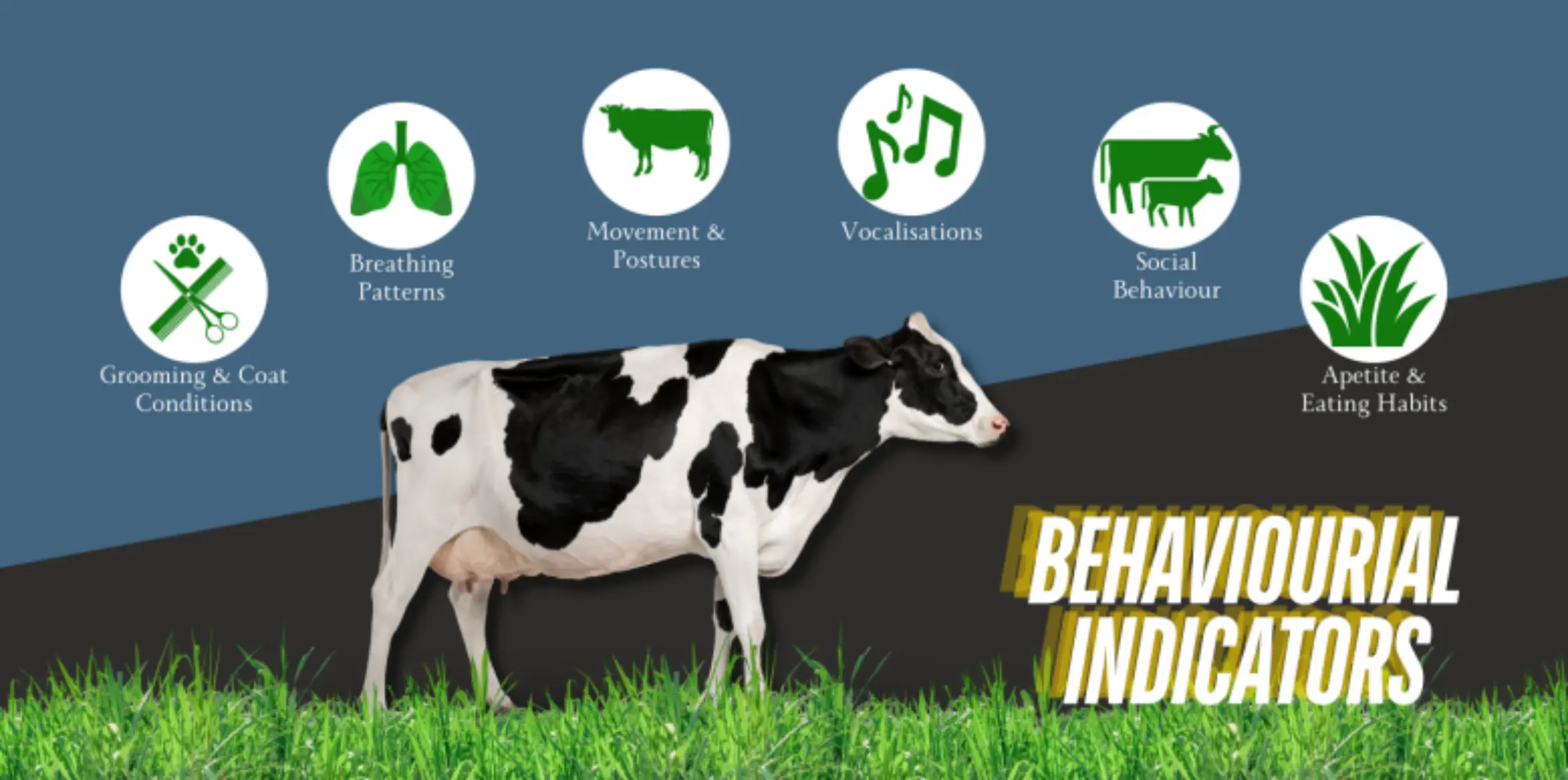
Appetite and Eating Habits
One of the first signs of a problem in cattle is a change in appetite. Healthy dairy cattle are consistent eaters and drinkers. If some cattle suddenly stop eating or show a noticeable decrease in food intake, it could indicate an underlying issue such as digestive problems, dental issues, or systemic illness. Keeping track of eating patterns is an essential part of monitoring your herd's condition, as a loss of appetite can sometimes be the first sign of a more serious issue.
Social Behavior
Cattle are social animals, and their behavior in a herd can provide clues about their health. Pay attention to the cattle that isolate themselves from the group, as this may indicate stress or illness. Conversely, overly aggressive behavior towards other cattle can also signal distress. Observing your cattle's social interactions can offer insights into their physical and emotional health, providing you with early warnings of potential problems.
Movement and Posture
Observe how your dairy cattle move and stand. Limping or unusual stiffness may indicate injuries or joint issues. Healthy cattle should stand comfortably and move with ease. Changes in posture, such as hunching or arching the back, may be a sign of discomfort or pain. Mobility issues can impact a cattle’s ability to eat and drink normally, which in turn can affect their overall health.
Vocalizations
Cattle communicate through vocalizations, and changes in the frequency or tone of their calls can suggest discomfort or distress. Pay attention to excessive moaning, lowing, or unusual sounds, as these may indicate distress or pain. A sudden increase in vocalization may suggest an underlying issue, such as injury or illness, that requires prompt attention.
Grooming and Coat Condition
Cattle naturally groom themselves regularly. If you notice a lack of grooming or a dull, patchy coat, it could be a sign of parasitic infestations or other issues. Excessive scratching or biting at their skin can also suggest external irritations. Healthy cattle will have a shiny, smooth coat, and changes in this can provide an early indication of possible health concerns.
Breathing Patterns
Abnormal breathing patterns, such as rapid, shallow breaths or labored breathing, can signal respiratory issues. Monitor your livestock for any changes in their breathing, particularly during physical exertion. Any deviation from their normal breathing rhythm may indicate issues such as pneumonia or other respiratory problems.
Managing Cattle Feed for Optimal Health
Proper cattle feed management plays a significant role in maintaining cattle health and ensuring that your herd has the energy and nutrients they need. Here are some tips for managing cattle feed:
Balanced Diet : Monitor water intake, as it may increase as the cow nears calving.
Clean Water : Regularly check water sources to ensure they are clean and free from contamination.
Monitor Feed Intake : Regularly check water sources to ensure they are clean and free from contamination.
Preventive Measures : Regularly check water sources to ensure they are clean and free from contamination.
Regular Feeding Schedule : Regularly check water sources to ensure they are clean and free from contamination.
Health Monitoring Systems : Regularly check water sources to ensure they are clean and free from contamination.
Proper hydration helps prevent issues such as dehydration, which can lead to complications during pregnancy and calving.
Conclusion
Understanding the behavioral indicators of cattle health is an essential part of effective herd management. By being vigilant and observant, you can identify potential health issues early and take proactive measures to ensure your cattle stay healthy and productive. Additionally, managing livestock nutrition effectively can greatly support the overall well-being of your herd.
By combining knowledge of behavioral signs with thoughtful feed management and health monitoring systems, you can optimize the health and productivity of your cattle, leading to a more successful and sustainable dairy farming operation. Ultimately, your vigilance in cattle management and feed can result in healthier, more productive cattle and a stronger, more resilient dairy farm.
