Share
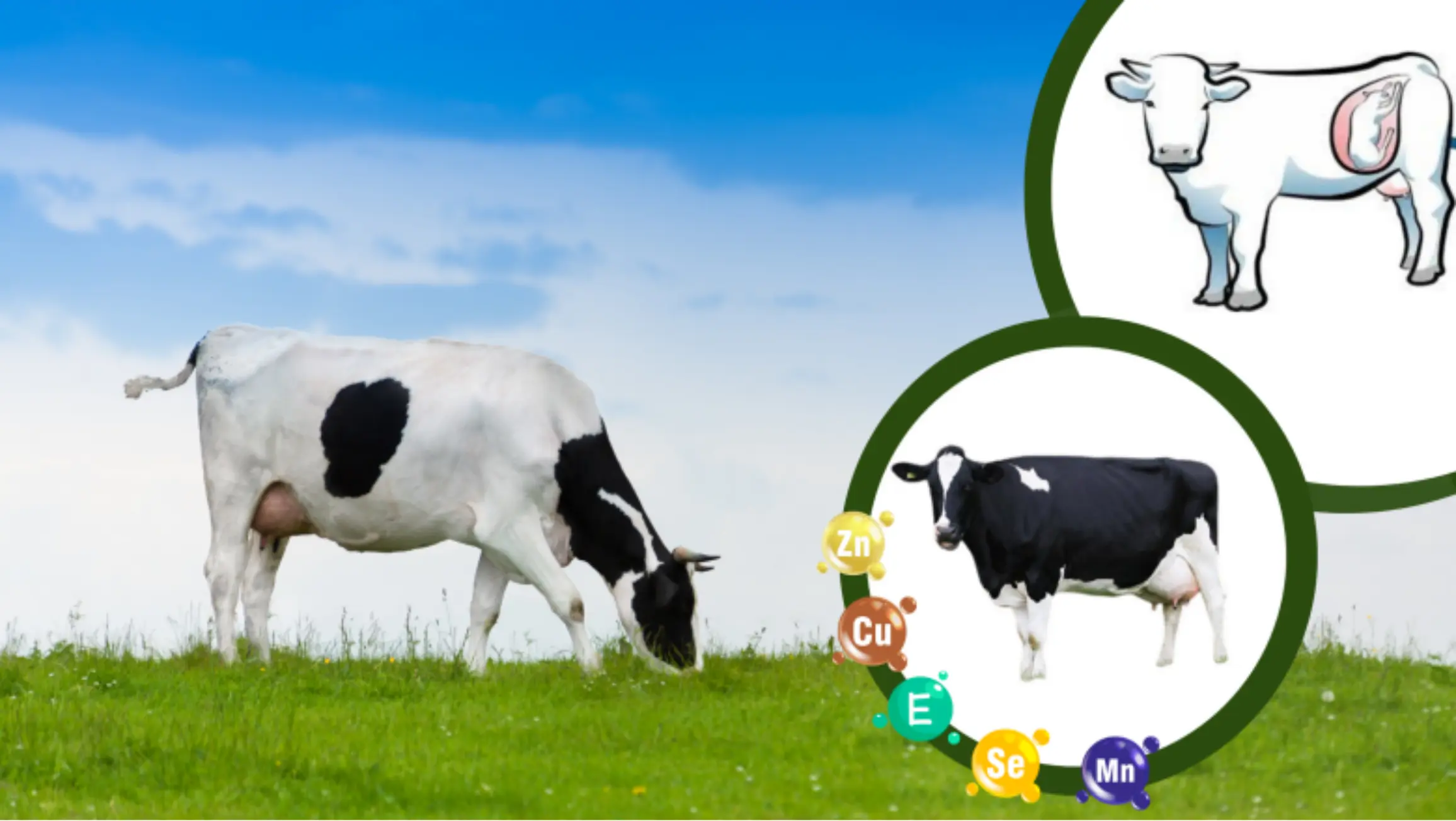
Care and Management of Pregnant Cow
Share
Introduction
Proper care and management of pregnant cows is essential for ensuring the health of the cow and the developing calf. By providing attentive care throughout the pregnancy, farmers can support a smooth calving process and foster a strong start for the newborn. In this blog post, we'll explore key strategies for caring for pregnant cows and how they contribute to the overall well-being of your herd.
Balanced Nutrition
A pregnant cow's dietary needs change as her pregnancy progresses. Providing a balanced diet with essential nutrients, including protein, energy, vitamins, and minerals, supports the cow's health and the development of the calf.
Protein : Essential for tissue growth and development in both the cow and the calf.
Energy : Vital for maintaining the cow's body condition and supporting fetal growth.
Vitamins and Minerals : Necessary for overall health, immunity, and reproductive success.
Consulting a veterinarian or a nutritionist can help formulate an appropriate diet for your pregnant cows.
Clean Water
Ensure pregnant cows have access to clean, fresh water at all times. Adequate hydration is crucial for the cow's health and for the production of amniotic fluid, which protects the calf in utero.
Water Intake : Monitor water intake, as it may increase as the cow nears calving.
Regular Checks : Regularly check water sources to ensure they are clean and free from contamination.
Proper hydration helps prevent issues such as dehydration, which can lead to complications during pregnancy and calving.
Regular Health Monitoring
Monitor the cow's health regularly throughout the pregnancy using a cattle health monitoring system. Keep an eye out for signs of stress, illness, or complications such as abnormal discharge or changes in behavior.
Body Condition : Maintain an optimal body condition score to support the cow's health and ensure successful calving.
Behavior Changes : Watch for changes in appetite, mobility, and temperament that could indicate health issues.
Early detection allows for prompt intervention, preventing potential complications and ensuring a healthy pregnancy.
Comfortable Environment
Provide a comfortable environment for pregnant cows, including clean bedding and adequate shelter.
Clean Bedding : Keep the cow's resting area clean and dry to prevent infections.
Adequate Space : Ensure the cow has enough space to move and rest comfortably.
Shelter : Protect the cow from extreme weather conditions such as heat, cold, or rain.
A stress-free environment reduces the risk of complications during pregnancy and calving.
Vaccination and Deworming
Work with your veterinarian to establish a vaccination schedule for pregnant cows. Cow vaccines protect the cow from diseases that could harm the developing calf.
Key Vaccines : Discuss with your veterinarian which cow vaccines are most important for your region and herd.
Deworming : Administer deworming treatments as recommended to maintain the cow's health.
Proper vaccination and deworming practices safeguard both the cow and the calf, ensuring a healthy pregnancy
Exercise and Movement
Encourage moderate exercise and movement for pregnant cows to promote circulation and muscle tone.
Moderation : Avoid excessive exertion or stress, as it can negatively impact the pregnancy.
Grazing : Allow cows to graze in safe areas to promote natural exercise.
Providing opportunities for the cow to move and graze can enhance her overall health and support fetal development.
Care During Late Pregnancy
In the weeks leading up to calving, increase your observation of the cow. Look for signs of impending labor, such as a swollen vulva, restlessness, or udder development.
Prepare a Calving Area : Ensure a clean, safe area for the cow to give birth.
Assist When Needed : Be prepared to assist the cow if she requires help during calving.
Being attentive during the final weeks of pregnancy ensures the cow's well-being and helps facilitate a smooth calving process.
Conclusion
Caring for a pregnant cow requires attention to detail and proactive management to ensure a healthy pregnancy and successful calving. By providing balanced nutrition, clean water, and a comfortable environment, you support the cow's health and the calf's development. Regular health monitoring and collaboration with a veterinarian further enhance the care and management of pregnant cows. By following these best practices, you contribute to the success and sustainability of your dairy cattle herd.
