Share
Optimal Strategies for Maintaining Stress-Free and Healthy Dairy Cattle
Share
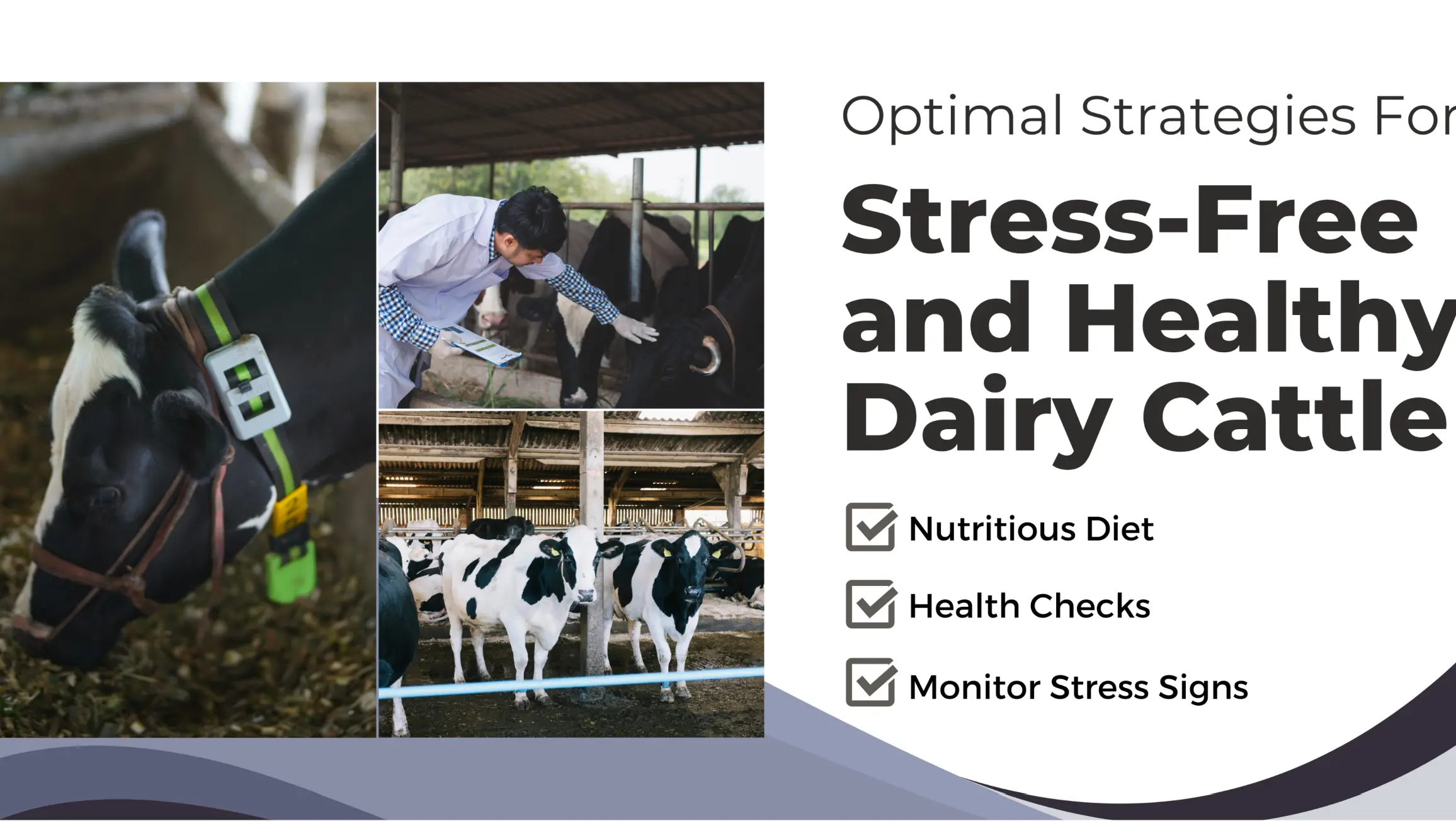
Raising cattle involves more than just providing food and water; it's about ensuring their well-being to maintain healthy, productive animals. Stress in cattle can impact them just like it does humans, affecting everything from their growth to their immune system. As responsible caretakers, it's essential to understand how stress manifests in cattle and adopt effective strategies to minimize its impact. Here are some practical tips to help you manage stress in your herd:
Introduction
Cattle are resilient animals, but they can experience stress in various situations, ranging from environmental changes to handling practices. This stress not only affects their health and welfare but also productivity and overall farm profitability. By implementing proper management techniques, you can create a conducive environment where your dairy cattle thrive, leading to healthier animals and better performance. Let's explore some key strategies to keep your cattle stress-free and healthy.
Comfortable Living Spaces
Imagine being stuck in extreme weather without shelter. Cattle need protection from rain, wind, and scorching sun. Providing them with well-ventilated barns or shaded areas in pastures gives them a safe haven to relax and stay comfortable. Proper ventilation is crucial to prevent heat stress, especially in hot climates. During colder seasons, ensuring shelters are draft-free and adequately insulated helps maintain warmth and prevents cold stress.
Nutritious Diet
Just like us, cattle need a balanced diet to stay healthy and strong. Ensure they have access to clean water at all times and feed them a balanced mix of hay, grains, and minerals. The quality of their diet directly impacts their ability to handle stress. For example, deficiencies in essential minerals like magnesium can lead to nervous disorders. Providing salt blocks with minerals helps ensure they get necessary nutrients. During times of increased stress, such as during transportation or weaning, consider supplementing their diet with probiotics or electrolytes to support gut health and immune function.
Gentle Handling
Nobody likes to be rushed or handled roughly, and cattle are no different. Use low-stress handling techniques during milking, herding, or transport. Avoid loud noises and sudden movements, which can startle them and increase stress levels. Slow, deliberate movements and calm voices help keep them relaxed. Familiarize them with handling equipment and routines gradually to build trust and reduce anxiety during veterinary checks or other necessary interventions.
Stick to a Routine
Dairy cattle thrive on routines. Whether it's feeding times, health checks, or daily checks, keeping a predictable schedule helps them feel secure. This reduces anxiety and helps them adapt more easily to changes in their environment, such as new additions to the herd or shifts in grazing areas. Changes in routine, such as sudden shifts in feeding times or disruptions in their environment, can cause anxiety and affect their overall well-being.
Health Checks
Regular visits from the vet are essential to catch health issues early. Vaccinations and parasite control are part of a good health management plan that keeps stress levels low and your cattle thriving. Early detection and treatment of illnesses prevent them from becoming chronic and causing prolonged stress. Implementing a proper vaccination schedule tailored to your region and herd's specific needs protects them from common diseases, reducing the risk of outbreaks that can cause stress and economic losses.
Environmental Enrichment
Boredom can lead to stress, so provide distractions like scratching posts or toys. Clean, comfortable bedding also makes a big difference in their comfort level. Providing ample space for natural behaviors like grazing and resting helps reduce stress. In feedlots or confined spaces, consider rotating grazing areas or providing fresh bedding regularly to maintain cleanliness and comfort. Access to clean water is crucial for their hydration and overall health. Regularly clean and maintain water sources to ensure they are free from contaminants and easily accessible.
Monitor Stress Signs
Keep an eye on your cattle for signs of stress such as decreased appetite, excessive pacing, or unusual behavior. Early detection allows you to intervene quickly and prevent further issues. Regularly observe their body condition and behavior to identify deviations that may indicate underlying health or environmental stressors. Maintaining detailed records of their health, behavior, and management practices helps track trends and identify potential stress factors before they escalate.
Social Dynamics
Cattle have their own social hierarchies, and conflicts can cause stress. Pay attention to group dynamics, especially during feeding or breeding times, to minimize aggression and anxiety. Provide enough space and resources for each animal to avoid competition and reduce stress. Separating aggressive individuals or adjusting group compositions based on compatibility can improve overall social harmony and reduce stress-related behaviors like fighting or bullying.
Reduce Disturbances
Predators and unfamiliar animals can spook your herd. Secure fencing and regular checks for intruders help keep your cattle calm and safe. Minimize sudden noises or movements near their living spaces to prevent unnecessary stress responses. Implementing adequate biosecurity measures reduces the risk of disease outbreaks and external threats, ensuring a safe and stress-free environment for your cattle.
Build Trust
Spend time with your cattle and build a trusting relationship. This makes handling and care less stressful for both you and them. Regular interactions such as grooming or quiet observation help them become accustomed to human presence and reduce fear responses during handling or veterinary procedures. Gentle, consistent handling builds confidence and trust, making routine tasks easier and less stressful for everyone involved.
Conclusion
Managing stress in cattle is not just about improving their welfare; it's also about ensuring the sustainability and profitability of your farm. By implementing these strategies—providing comfortable living spaces, maintaining a nutritious diet, using gentle handling techniques, sticking to routines, and monitoring health—you can create a harmonious environment where your dairy cows thrive. Remember, a stress-free herd is more productive, healthier, and ultimately more profitable. By prioritizing their well-being, you're not only investing in the future of your farm but also in the happiness and health of your animals.
In conclusion, understanding and addressing stress through proactive management practices ensures dairy cows lead happier, healthier lives. By incorporating these tips into your daily operations, you can create a supportive environment that promotes optimal well-being and performance in your herd.
